
Parrots are masters of disguise when it comes to illness. In the wild, showing weakness makes them vulnerable to predators, so they’ve evolved to hide symptoms until they’re often quite ill. This natural survival instinct continues in our pet parrots, making it challenging for even the most attentive owners to spot problems early. Understanding common parrot diseases and their subtle warning signs can help you take prompt action when needed, potentially saving your bird’s life. This article provides educational information to help you recognize potential health issues – but remember, it never replaces professional veterinary care.
Why Parrots Hide Illness
In the wild, parrots that display signs of weakness become targets for predators. This evolutionary adaptation means they instinctively conceal symptoms of illness until they can no longer do so. By the time a parrot owner notices something is wrong, the bird may have been ill for days or even weeks.
This survival mechanism presents a significant challenge for pet owners. Your parrot’s natural instinct to appear healthy, even when suffering, means you must become particularly observant of subtle changes in behaviour, appearance, and routine. Learning to recognize these early warning signs is crucial for providing timely care.
Common Parrot Diseases: An Overview
Understanding the most common health issues affecting parrots can help you become more vigilant. While this overview provides educational information, remember that only an avian veterinarian can properly diagnose and treat your bird.
Psittacosis (Parrot Fever)
Psittacosis, also known as Parrot Fever, is caused by the bacteria Chlamydia psittaci. This disease can affect all parrot species and is potentially transmissible to humans (zoonotic). Signs may include respiratory distress, nasal discharge, lethargy, and lime-green droppings. Birds may appear fluffed up and show decreased appetite.
This condition is particularly concerning because infected birds can appear healthy while shedding the bacteria. Regular health screenings are important, especially for Macaws and other larger parrots that may be more susceptible.
Respiratory Infections
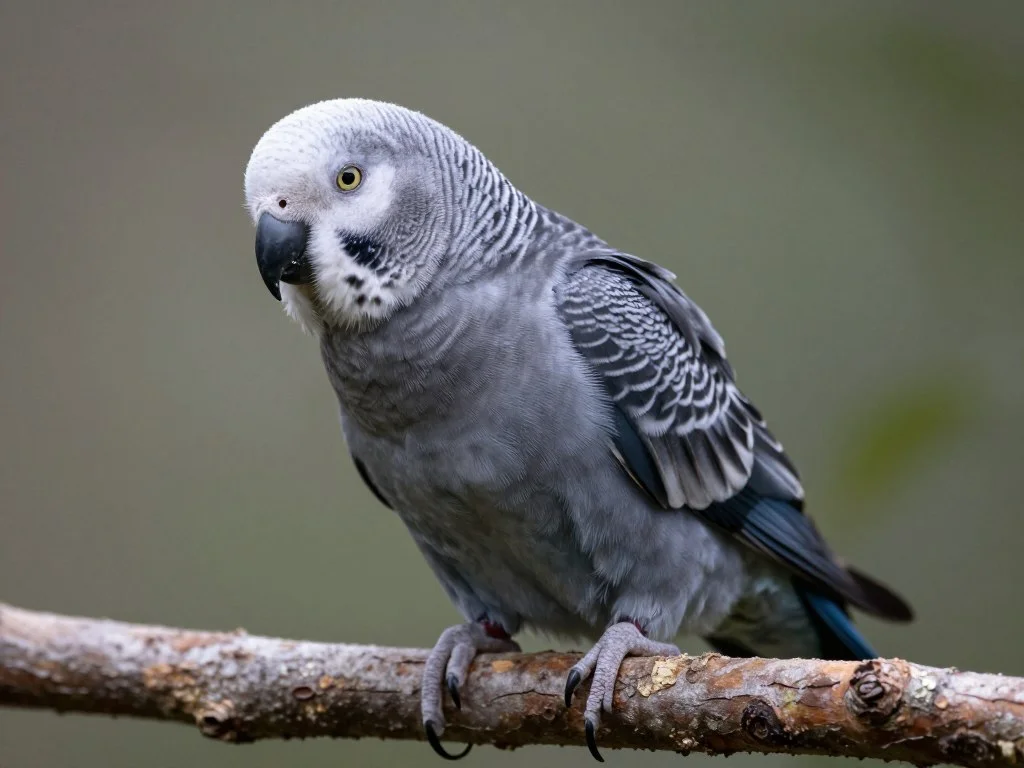
Respiratory issues are common in parrots and can be caused by bacteria, fungi, or viruses. Signs include wheezing, tail bobbing (using tail movements to assist breathing), open-mouth breathing, nasal discharge, and voice changes. African Grey parrots are particularly prone to respiratory infections, especially aspergillosis, a fungal infection that affects the respiratory system.

Fatty Liver Disease
Fatty liver disease is common in parrots fed high-fat diets, particularly seed-based diets. Cockatoos and Amazon parrots are especially susceptible. Signs include obesity, black spots on the beak, abnormal droppings, and lethargy. This condition develops gradually and is often related to poor diet and lack of exercise.
Digestive Issues
Digestive problems can stem from bacterial, fungal, or viral infections, as well as from dietary issues. Signs include changes in droppings, weight loss despite normal eating, regurgitation, and decreased appetite. Conditions like Proventricular Dilatation Disease (PDD) affect the digestive tract and can be serious.
Conures often have sensitive digestive systems and may show symptoms more readily than other species.

Feather and Skin Conditions
Feather and skin problems can be caused by parasites, infections, nutritional deficiencies, or behavioural issues. Signs include feather plucking, poor feather quality, scaly skin, and excessive preening. Psittacine Beak and Feather Disease (PBFD) is a serious viral condition affecting feather growth and development.
Eclectus parrots have unique feather structure and may show different symptoms when affected by feather conditions.
Parasitic Infections
External parasites like mites and lice, and internal parasites such as worms, can affect parrots. Signs of external parasites include itching, feather damage, and visible parasites on the skin or feathers. Internal parasites may cause weight loss, lethargy, and changes in droppings.

Common Warning Signs to Watch For
Recognizing the early signs of illness in your parrot can make a significant difference in treatment outcomes. Here are key changes to monitor:
Behaviour Changes
- Decreased activity or lethargy
- Unusual aggression or withdrawal
- Changes in vocalization patterns
- Sleeping more than usual
- Sitting at the bottom of the cage
- Loss of balance or coordination
Feather Condition
- Fluffed-up feathers for extended periods
- Poor feather quality or abnormal molt
- Self-plucking or excessive preening
- Stained feathers around the vent
- Dull feathers lacking normal sheen
- Broken or damaged feathers

Droppings
- Changes in colour, consistency, or frequency
- Watery or unusually dry droppings
- Undigested food in droppings
- Black, tarry, or bloody droppings
- Green, yellow, or rusty coloured urates (the white part)
- Strong odour from droppings
Appetite Changes
- Decreased food consumption
- Increased water intake
- Difficulty picking up or manipulating food
- Regurgitation outside of courtship behaviour
- Weight loss despite normal eating
- Sudden changes in food preferences
Posture and Energy Levels
A healthy parrot perches upright with good balance and maintains normal activity levels. Watch for changes such as:
- Tail bobbing (movement of tail when breathing)
- Laboured or open-mouth breathing
- Sitting with feet spread apart for balance
- Wings held away from body
- Head tucked under wing for extended periods
- Inability to perch properly

Monitor Your Parrot’s Health Regularly
Establishing a routine of observing your parrot’s normal behaviour and appearance will help you quickly notice when something changes. Consider keeping a simple health journal for your bird, noting eating habits, droppings, and behaviour.
Health Issues vs. Behavioural Problems
Not all concerning signs in parrots indicate physical illness. Environmental factors, stress, and boredom can cause behaviours that mimic illness symptoms. Understanding the difference can help you determine the appropriate response.
Behavioural Causes
- Feather plucking due to boredom or stress
- Decreased appetite from environmental changes
- Lethargy from lack of mental stimulation
- Aggression from hormonal changes
- Changes in vocalization due to new surroundings
Health Causes
- Feather plucking from skin infections or parasites
- Decreased appetite from digestive or respiratory illness
- Lethargy from infection or organ dysfunction
- Aggression from pain or discomfort
- Changes in vocalization from respiratory infections
When in doubt, it’s always safer to consult an avian veterinarian. They can help determine whether your parrot’s symptoms stem from health issues or environmental factors. Many behavioural problems can be addressed through environmental enrichment, proper diet, and social interaction.

When to See an Avian Vet
Knowing when to seek professional help is crucial for your parrot’s wellbeing. Here’s guidance on urgent versus non-urgent situations:
Seek Immediate Veterinary Care If You Notice:
- Difficulty breathing or open-mouth breathing
- Inability to perch or stand
- Bleeding that doesn’t stop quickly
- Seizures or loss of consciousness
- Severe lethargy or unresponsiveness
- Prolapsed cloaca (tissue protruding from vent)
- Suspected poisoning or toxin exposure
- Sudden, severe change in behaviour
Schedule a Prompt (Within 24-48 Hours) Veterinary Visit For:
- Significant changes in droppings lasting more than 24 hours
- Noticeable weight loss
- Decreased appetite for more than a day
- Increased water consumption
- Sneezing or nasal discharge
- Swellings or lumps
- Feather plucking or self-mutilation
- Limping or favouring a leg
Regular Preventative Care
Even healthy parrots should have regular check-ups with an avian veterinarian. Most experts recommend:
- Annual examinations for younger birds
- Bi-annual check-ups for birds over 10 years old
- Baseline blood work to establish normal values
- Periodic testing for common diseases like psittacosis

Find an Avian Veterinarian Before You Need One
Locate and establish a relationship with an avian-certified veterinarian before an emergency occurs. The British Veterinary Zoological Society maintains a list of veterinarians with special interest in exotic and avian medicine.
Prevention Through Good Care
Many parrot diseases can be prevented through proper husbandry and care. While no approach guarantees your bird will never become ill, these practices significantly reduce health risks:
Clean Environment
- Daily cleaning of food and water containers
- Weekly cleaning of cage surfaces and perches
- Monthly deep cleaning of the entire cage
- Proper ventilation without drafts
- Avoidance of toxic fumes (non-stick cookware, aerosols)
- Smoke-free environment
Proper Diet
- Species-appropriate balanced diet
- Limited seed intake (high in fat)
- Fresh vegetables and some fruits daily
- Clean, fresh water always available
- Appropriate calcium sources
- Limited treats and human food

Mental Stimulation
- Variety of appropriate toys rotated regularly
- Foraging opportunities
- Out-of-cage time in a safe environment
- Social interaction with humans or other birds
- Training and enrichment activities
- Natural branches and perches of varying diameters
Routine Observation
- Daily health checks
- Weekly weighing (with a gram scale)
- Monitoring of droppings
- Observing eating and drinking habits
- Checking feather condition regularly
- Noting any changes in behaviour

Quarantine New Birds
Always quarantine new birds for at least 30-45 days before introducing them to existing pets. This helps prevent the spread of diseases that may not show immediate symptoms. Keep new arrivals in a separate room with dedicated feeding equipment and wash hands thoroughly between handling birds.
What This Article Does NOT Replace
This article provides educational information to help you recognize potential health issues in your parrot. It is not intended to diagnose, treat, or provide specific medical advice for your bird.
The information provided here should be used as a general guide to help you:
- Recognize when your parrot might be unwell
- Understand common health concerns in parrots
- Know when to seek professional veterinary care
- Implement preventative care practices
Self-diagnosis and treatment can be dangerous and may delay proper care, potentially worsening your bird’s condition. When in doubt, always consult an avian veterinarian.

Conclusion
Understanding common parrot diseases and recognizing their early warning signs is an essential part of responsible bird ownership. By becoming familiar with what’s normal for your parrot, you’ll be better equipped to notice subtle changes that might indicate health problems.
Remember that parrots are masters at hiding illness, so regular observation and preventative care are your best tools for maintaining their health. When concerns arise, don’t hesitate to seek professional veterinary care – early intervention often leads to better outcomes.
By providing a clean environment, proper nutrition, mental stimulation, and regular health monitoring, you’re giving your feathered companion the best chance at a long, healthy life.

Explore Our Parrot Species Guides
Different parrot species have unique care requirements and health considerations. Learn more about your specific parrot’s needs by visiting our detailed species guides.